When you’re learning to build with AI tools, security threats often feel abstract—something that happens to big companies, not to your projects. But OpenAI’s recent takedown of a Russian influence operation shows how these tools get used in the wild, and what it means for anyone working with language models.

How the operation worked
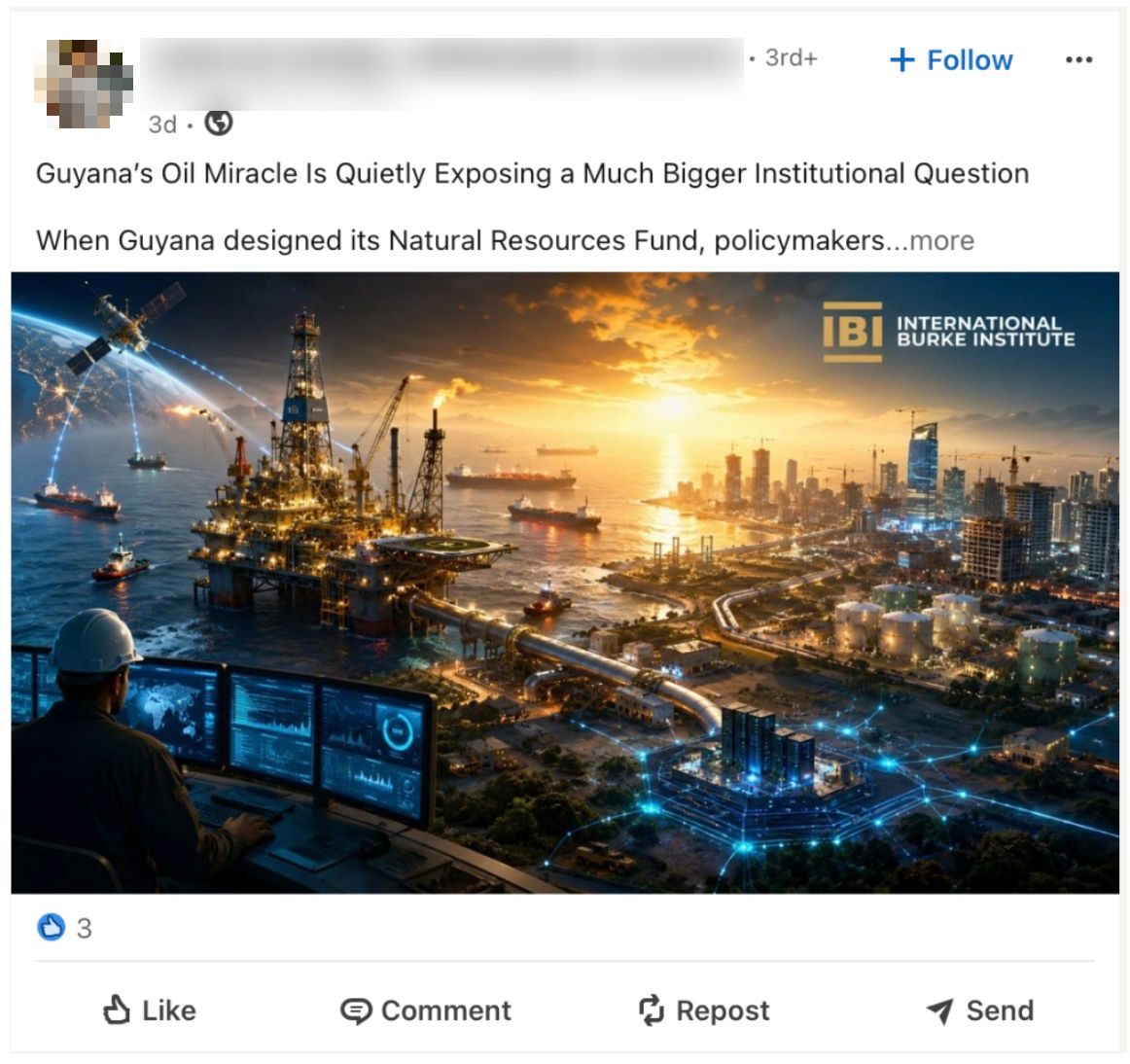
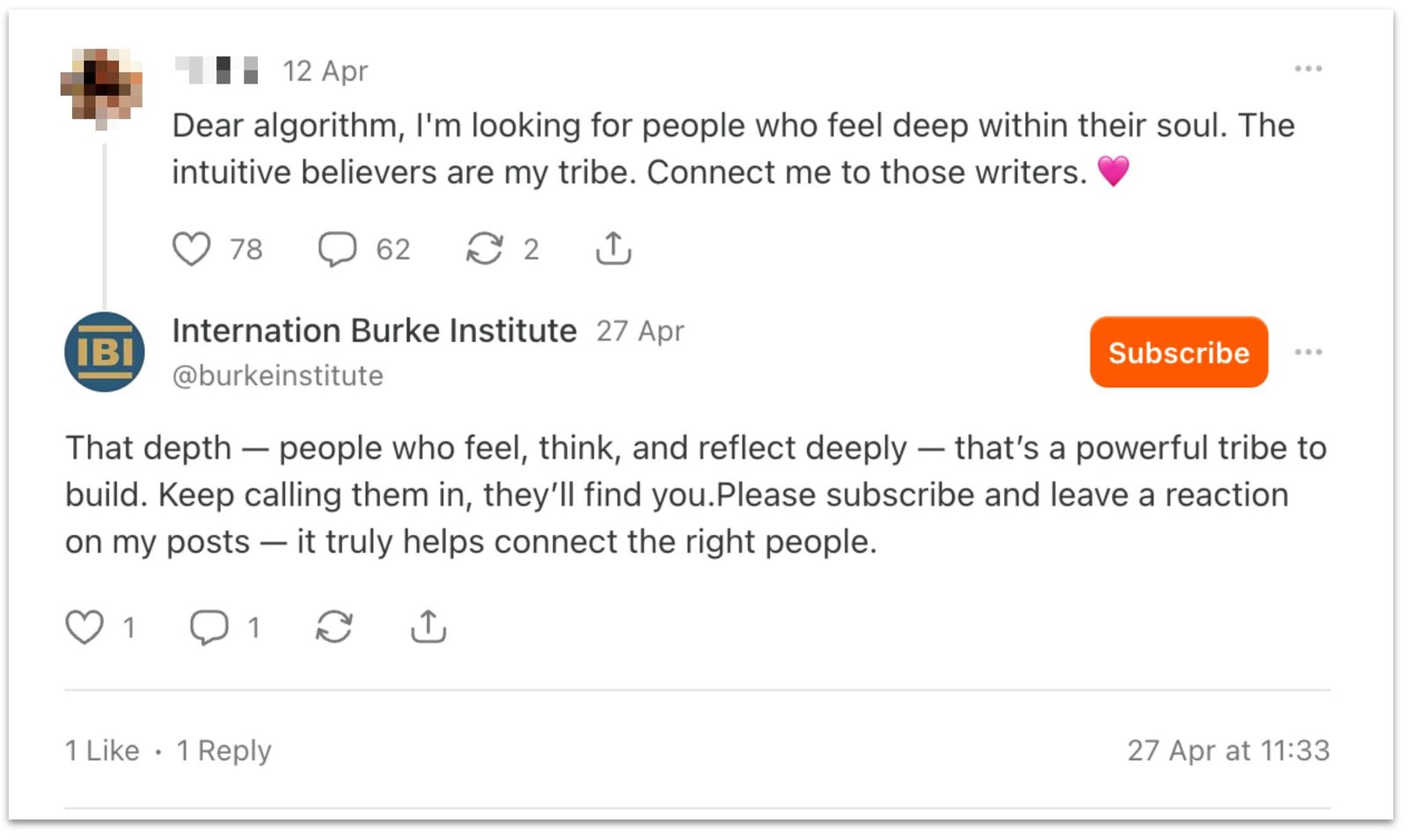
The campaign centered around the “International Burke Institute” (IBI), a fabricated think tank claiming to be based in Israel. Russian operators used ChatGPT to:
- Generate English-language social media comments (despite prompting in Russian)
- Create LinkedIn posts promoting IBI content
- Draft replies to real Substack articles
- Design logos for Telegram channels
The non-AI components were more elaborate:
- A website hosting plagiarized academic articles with false attributions
- A “sovereignty index” praising Russia while criticizing Western governments
- Telegram channels posing as local news outlets in Germany, France, and the US
Important
The operators used VPNs to access ChatGPT from Russia (where OpenAI’s services are blocked) and explicitly instructed the model to hide linguistic clues of Russian origin.
Why this matters for builders
Three lessons emerge for anyone working with AI tools:
-
Output sanitization isn’t foolproof
The operators successfully generated fluent English content despite Russian-language prompts, showing that models can obscure origins when instructed. -
AI amplifies existing tactics
The campaign combined generated social posts with traditional disinformation techniques (stolen content, fake experts), using AI as a force multiplier. -
Metadata matters
OpenAI detected the operation partly through usage patterns—repetitive account behavior and VPN traffic—not just content analysis.
The technical red flags
OpenAI identified several suspicious patterns in the ChatGPT usage:
| Indicator | Detail |
|---|---|
| Language mismatch | Russian prompts generating English posts |
| Behavioral signals | Accounts only generating promotional content |
| Infrastructure clues | VPN access from blocked regions |
| Content themes | Concentrated on IBI promotion and anti-Western narratives |
The operation’s weak point was its need to generate content at scale—the repetitive patterns made it detectable despite efforts to appear organic.
How OpenAI responded
The company took three key actions:
-
Account bans
Terminated all linked ChatGPT accounts for violating policies on deceptive activity -
Infrastructure blocking
Strengthened detection of VPN traffic from embargoed regions -
Threat intelligence sharing
Published detailed indicators to help platforms identify related content
Tip
For your own projects: Audit logs showing prompt history and generation patterns are crucial for detecting misuse—even if you’re not operating at OpenAI’s scale.
What wasn't caught by AI
The operation’s most sophisticated elements relied on traditional methods:
- Website forgery
The IBI site copied real academic papers with falsified authorship - Authority fabrication
Fake expert bios and a proprietary “index” lent false credibility - Cross-platform linking
Telegram channels referenced the website, which cited the “research”
This shows AI’s current limits—while it generated disposable social posts, the persuasive core required human curation.
Protecting your own projects
If you’re building with language models:
- Monitor output themes
Sudden concentrations of political or promotional content may signal misuse - Log metadata
Track IPs, prompt patterns, and generation frequency - Sandbox new accounts
Limit volume for untrusted users until establishing normal patterns - Verify external claims
The IBI case shows how easily “expert” sources can be fabricated

The broader implications
This operation represents a middle ground in AI-enabled influence campaigns:
- Low sophistication
The generated content was generic and poorly targeted - High infrastructure
The supporting website and index showed long-term planning - Minimal impact
Most posts received few views, but the framework could scale
For builders, the key takeaway is that AI tools lower the barrier for certain attacks while creating new detection opportunities through their usage patterns.
Want to try all of this hands-on? Start with the free Vibe Coding 101 course.
Source
Based on OpenAI’s announcement, “Disrupting a new covert influence campaign from Russia”. Written for people learning to build with these tools.