#beginner
37 posts tagged beginner.
What is vibe coding, really?
Vibe coding means describing what you want and letting an AI agent write the code. Here is what that actually looks like, what it is genuinely good for, and the three ways it goes wrong.

How Cooley Uses ChatGPT to Streamline IPO Preparation for Lawyers
Cooley, a leading law firm, built GO Public with ChatGPT to automate IPO preparation, freeing lawyers to focus on strategic decisions.

Claude Merges Cowork and Chat into a Unified AI Assistant
Claude combines its Cowork and chat features into one assistant, making it easier to handle tasks without switching tools.
Claude for Small Business Expands with New Workflows and Training
Claude introduces 43 workflows and 27 integrations for small businesses, alongside free workshops and webinars to help owners streamline operations and grow their businesses.

How Fyxer's AI Assistant Learns from Real Workflows to Handle Complex Tasks
Fyxer built an AI executive assistant that learns from real workflows to handle complex tasks like email management, offering lessons for building contextual AI products.
What Google's ADK for Kotlin 1.0 Means for Beginners Building AI Agents
Google's ADK for Kotlin 1.0 simplifies building AI agents for Android and server-side applications, making it easier for beginners to create production-ready AI tools.

How to Evaluate and Improve AI Coding Agents Effectively
Learn how to move beyond end-to-end benchmarks and use behavioral evaluations to iteratively improve AI coding agents.

How GPT-6 Astra Helps Devin Test Its Own Code
Cognition uses GPT-6 Astra to automate testing and improve code review efficiency in its Devin software engineering agent.

Autonomous LLM Post-Training with Tunix on TPUs: What Beginners Need to Know
Google's Tunix enables autonomous post-training for LLMs, automating fine-tuning workflows on TPUs. Here's how it works and what it means for beginners.

How OpenAI Scaled Storage to Support 1 Billion ChatGPT Users
Learn how OpenAI's Habitat storage platform evolved to handle 70M requests per second for over 1 billion ChatGPT users.

What Perplexity's GPT-6 Astra Integration Means for Beginners Building AI Systems
How Perplexity's integration of GPT-6 Astra simplifies end-to-end system testing and monitoring for beginners building AI-powered applications.

How AI Tools Like Codex and ChatGPT Are Accelerating Antimicrobial Discovery
Researchers are using AI tools like Codex and ChatGPT to speed up the search for new antimicrobial molecules, tackling drug-resistant microbes.

What OpenAI's AI Policy Push Means for Beginners Building with AI
OpenAI is pushing for mandatory AI safety regulations and industry standards. Here's what it means for beginners learning to build with these tools.

How GPT-5.6 Sol Simplifies Quantum Computing Experiments for Beginners
GPT-5.6 Sol, paired with Codex, is helping researchers streamline quantum computing workflows, offering insights for beginners exploring AI-assisted experimentation.

What OpenAI's "Alien Mind" Research Means for Beginners Building with AI
OpenAI's latest research reveals how AI models are evolving beyond human understanding, and what it means for those learning to build with these tools.
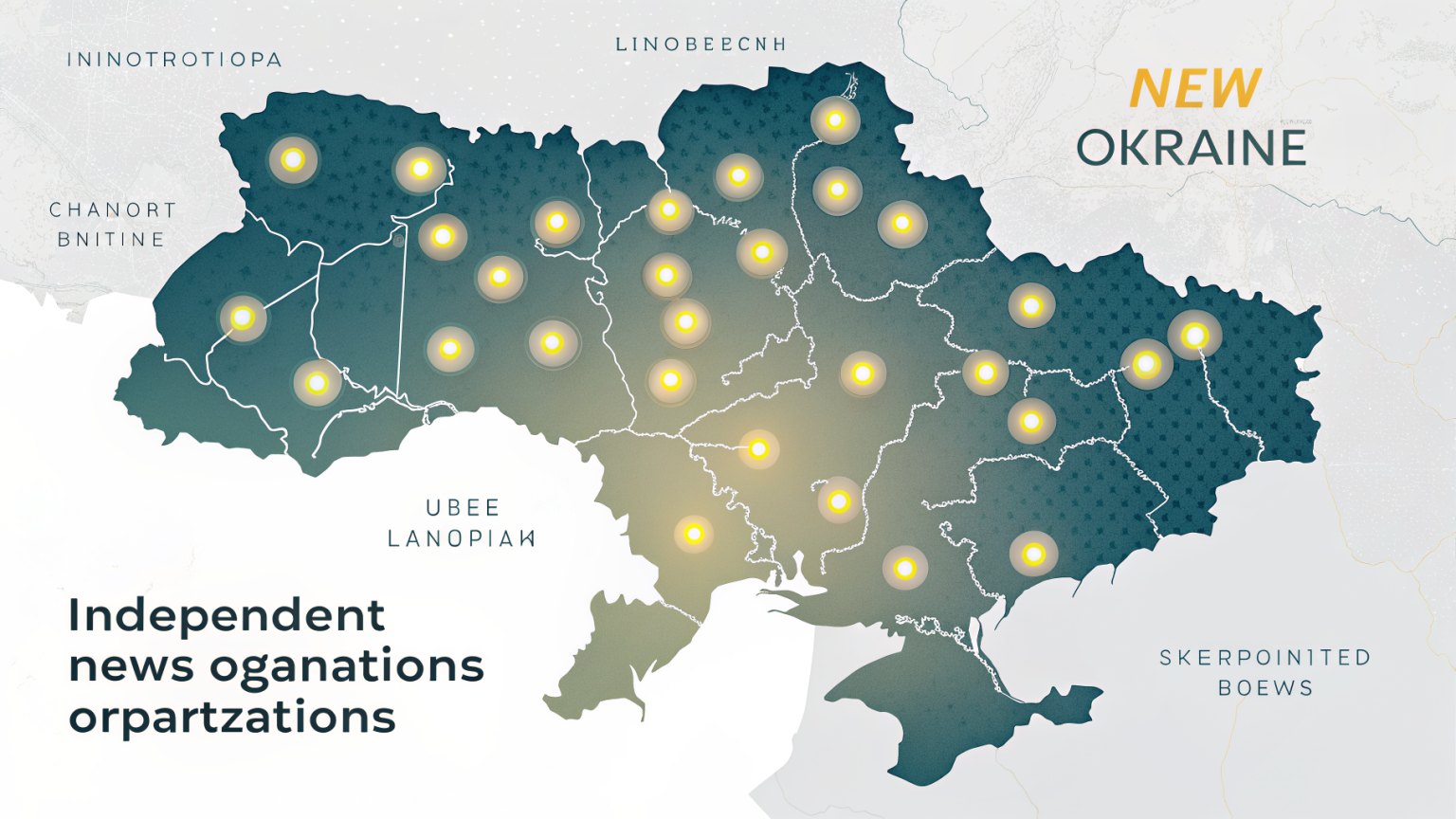
Supporting Ukraine’s Independent Journalism Through AI Adoption
OpenAI, WAN-IFRA, and AIRPPU launch a joint initiative to help Ukrainian news publishers adopt AI for sustainability and resilience.

Claude Cowork's built-in browser changes how beginners use web tasks with AI
Claude Cowork now includes a dedicated browser, letting beginners offload web tasks without sharing their personal browser data.

Google’s Gemini Enterprise Program Sprints: What It Means for Beginners
Google’s Gemini Enterprise Program Sprints focus on improving developer workflows for AI governance, making it easier for beginners to build secure and reliable AI solutions.

OpenAI’s $1B Daybreak Initiative: What It Means for Beginners Building with AI
OpenAI’s $1B Daybreak initiative aims to protect essential services with AI-powered cybersecurity tools. Here’s what it means for beginners learning to build with these technologies.

How ChatGPT Work transformed ATV Big Air Tour’s operations
Discover how ATV Big Air Tour reduced manual tasks from days to hours using ChatGPT Work, streamlining marketing, inventory, and event management.

How AI-native companies are reshaping workflows for beginners
Learn how AI-native companies are turning workflows into repeatable, measurable processes, and what it means for beginners in AI-assisted coding.

What California's new AI safety bill means for young builders
OpenAI backs California's SB 1119, which sets new rules for how teens can use AI tools safely while learning to code and create.

OpenAI Ends Cursor Partnership After SpaceX Acquisition
OpenAI terminates its model licensing contract with Cursor following SpaceX's acquisition, citing concerns over terms of service compliance.

OpenAI’s Thailand Accelerator Shows How to Build AI Products That Matter
OpenAI’s new accelerator in Thailand helps startups turn AI prototypes into trusted products for healthcare and education.
Claude in Chrome now works without asking permission first
Claude's browser extension can now take actions like filling forms without manual approval, with new safety checks against hidden attacks.

How OpenAI caught a Russian influence campaign using ChatGPT
OpenAI disrupted a Russian operation using ChatGPT to generate social media posts promoting a fake think tank, revealing how AI tools can both enable and expose covert influence campaigns.

OpenAI's Zero Data Retention changes how you build private AI apps
OpenAI now keeps no record of your API requests unless you opt in, with new safeguards that spot risks across conversations without storing content.

How Stampli cut launch time by 68% with AI agents
Stampli's finance platform used AI coding agents to compress 243 hours of launch work into 77, while keeping full human oversight.

How Google’s Agent Development Kit Secures AI Agents for Beginners
Learn how Google’s Agent Development Kit helps you build secure AI agents with zero-trust architecture, even as a beginner.
Why Go is the best language for AI-assisted coding
Google explains why Go's design makes it uniquely suited for working with AI coding assistants - and what that means for beginners.
Run AI models on Raspberry Pi with LiteRT and Gemma
Google's LiteRT runtime and Gemma models bring powerful edge AI capabilities to Raspberry Pi, enabling local inference without cloud dependencies.
Claude Managed Agents now run in your own sandbox and connect to private networks
Self-hosted sandboxes and MCP tunnels let Claude agents work securely with your private data and services—here's what changes for builders.

MCP Stateless Updates Make AI Agents Scale Better
Google's MCP stateless updates remove session bottlenecks, making AI agents more scalable and easier to deploy in production.

Claude's new Apple integration changes how you build iOS apps with AI
Claude now works with Apple's Foundation Models framework, letting Swift developers combine on-device AI with Claude's reasoning in one workflow.

Agent Plugins standardize how AI coding tools share components
A new open format packages AI agent skills and tools together without locking them to one platform.

Claude Code artifacts turn AI sessions into shareable web pages
Claude Code can now package your AI coding sessions as live web pages that update automatically, making collaboration easier.
How to review code you did not write and cannot read
You do not need to know the language to catch most agent mistakes. Five checks that work on any diff, in any language, in under two minutes.