Quantum computing is a frontier technology that leverages the principles of quantum mechanics to process information in ways classical computers cannot. It holds promise for simulating complex materials and molecules, but running quantum experiments is notoriously time-intensive and complex. Now, GPT-5.6 Sol, integrated with Codex, is helping researchers automate and streamline these workflows—offering valuable lessons for beginners exploring AI-assisted experimentation.

What Quantum Computing Experiments Involve
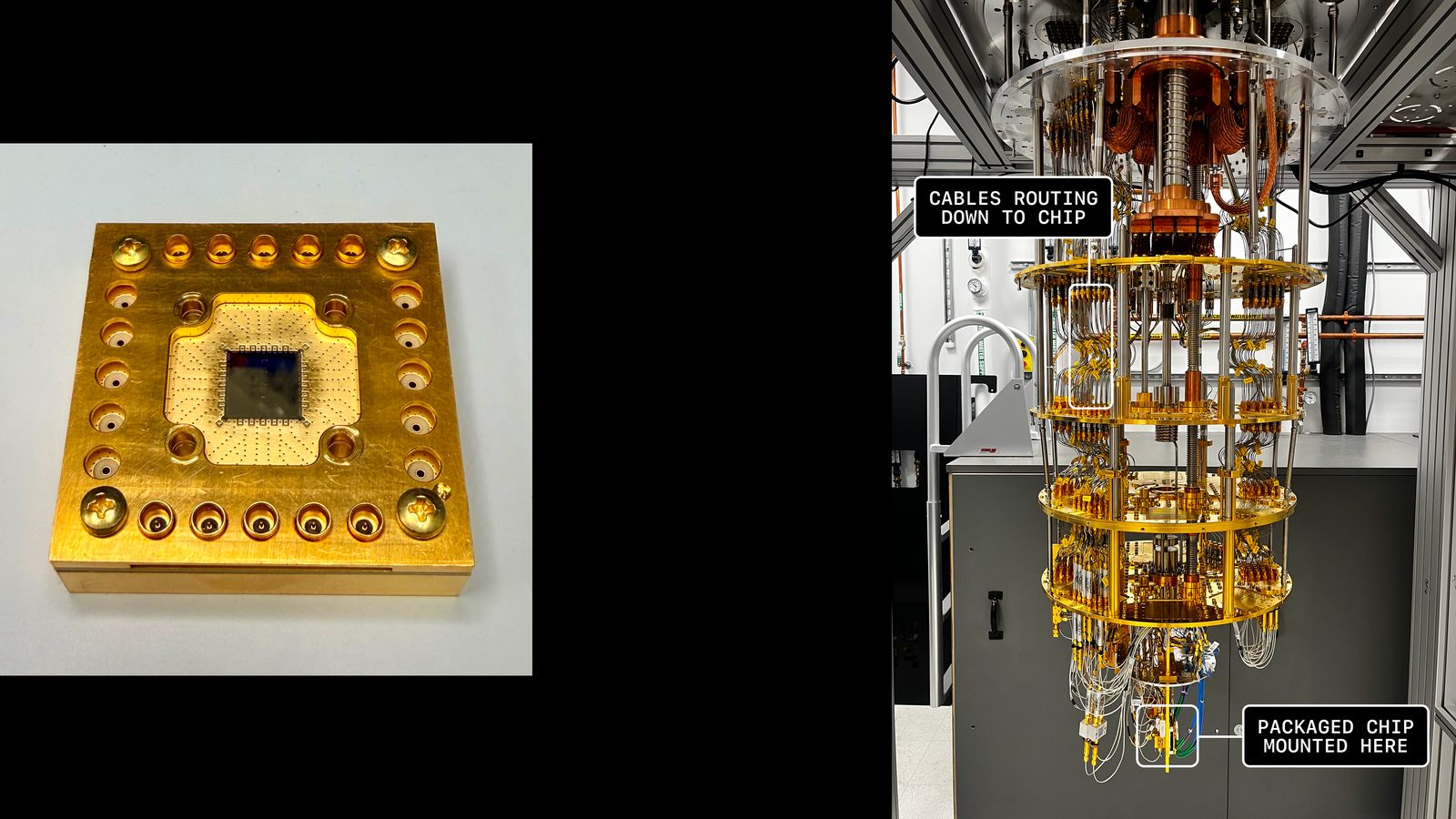
Quantum computing relies on qubits—quantum bits that can exist in multiple states simultaneously, unlike classical bits which are either 0 or 1. Superconducting qubits, a common type, are cooled to near absolute zero using devices called dilution refrigerators.
Once a qubit chip is fabricated and cooled, researchers interact with it entirely through software. This involves sending microwave pulses to manipulate qubits, analyzing the resulting signals, and calibrating the system for accurate computation. These tasks require hundreds to thousands of preliminary measurements, often taking months to complete.
How GPT-5.6 Sol Steps In
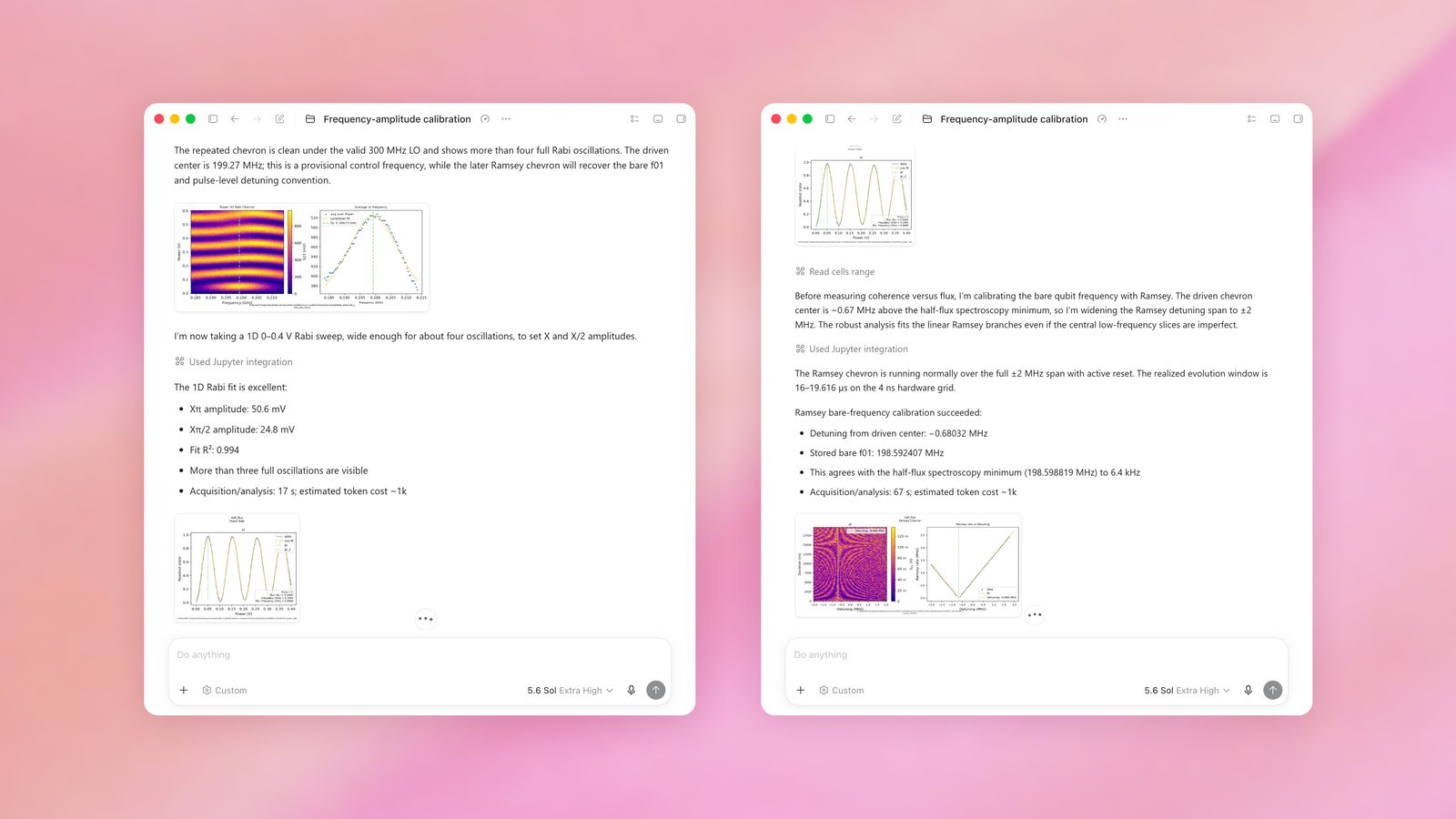
Beatriz Yankelevich, a graduate student at MIT’s Engineering Quantum Systems Group (EQuS), used GPT-5.6 Sol to automate parts of her experimental workflow. By connecting Codex to the lab’s software, GPT-5.6 Sol could run measurements, analyze results, and decide what to try next.
For example, GPT-5.6 Sol autonomously completed routine workflows like identifying qubit transition frequencies, calibrating control pulses, and determining how long qubits retained quantum information. This freed Yankelevich to focus on higher-level tasks like designing experiments and interpreting results.
Coordinating Interdependent Measurements
Calibrating qubits involves a series of interdependent measurements, each influencing the next. Qubit properties can drift, and unexpected physical behavior can lead to inconsistent results. Experienced researchers adapt to these changes, but GPT-5.6 Sol showed it could handle well-defined workflows with minimal intervention.
When signals were clear, GPT-5.6 Sol completed measurements efficiently. However, it struggled with weak or noisy signals, requiring guidance from researchers. This highlights a key limitation: while AI agents excel at routine tasks, interpreting ambiguous results remains a challenge.
Practical Benefits for Researchers
The immediate advantage of GPT-5.6 Sol is its ability to run experiments without constant supervision. Researchers can monitor progress remotely, freeing them to focus on other tasks. For example, Yankelevich often runs measurements overnight or while working in the cleanroom, checking in periodically to steer the process if needed.
For novel experiments, GPT-5.6 Sol takes on narrower goals, such as writing and testing new code for control, analysis, and simulation. This flexibility allows researchers to explore creative directions while automating repetitive tasks.
Lessons for Beginners
If you’re just starting to explore AI-assisted experimentation, GPT-5.6 Sol’s application in quantum computing offers several insights:
- Automate Routine Tasks: Use AI to handle repetitive measurements or data analysis, freeing time for creative work.
- Monitor Progress Remotely: Leverage AI’s ability to run experiments autonomously, checking in as needed.
- Focus on Interpretation: While AI excels at routine workflows, interpreting ambiguous results still requires human expertise.
Tip
If you’re new to AI-assisted experimentation, start with well-defined tasks and gradually explore more complex workflows as you gain confidence.
Limitations to Keep in Mind
While GPT-5.6 Sol is a powerful tool, it’s not yet a replacement for human researchers. It struggles with ambiguous results and requires guidance in complex scenarios. Additionally, its effectiveness depends on the quality of the instructions and data it receives.
The Future of AI in Quantum Computing
GPT-5.6 Sol’s success in quantum computing suggests a broader trend: AI agents will increasingly handle routine tasks in specialized fields, allowing researchers to focus on innovation. As AI tools evolve, they’ll likely become more adept at interpreting ambiguous results and adapting to unexpected challenges.
For beginners, this means opportunities to explore AI-assisted workflows in fields beyond quantum computing, from materials science to biomedical research.
Want to try all of this hands-on? Start with the free Claude Code from Zero course.
Source
Based on OpenAI’s announcement, “How GPT-5.6 Sol helps run quantum computing experiments”. Written for people learning to build with these tools.