OpenAI’s ChatGPT for Teens is a specialized version of ChatGPT tailored for users under 18. It includes features designed to help young people learn, plan for college, and engage with AI responsibly. For beginners building AI, understanding these tools can provide insights into how AI can be customized for specific audiences and use cases.

Learning Tools for Teens
ChatGPT for Teens includes several learning-focused features that have already seen significant adoption. Teens use the platform to ask questions, get feedback on drafts, and check evidence. Key tools include:
- Learning Visualizations: Nearly 1.2 million teens used this feature to better understand math and science concepts.
- Study Mode: Over 180,000 teens accessed step-by-step learning support.
These tools are designed to encourage active learning rather than passive consumption, which is reflected in the usage patterns. On average, teens spend under 15 minutes a day on ChatGPT, with less than 2% spending more than three consecutive hours.
College Planner: A New Tool for Future Students
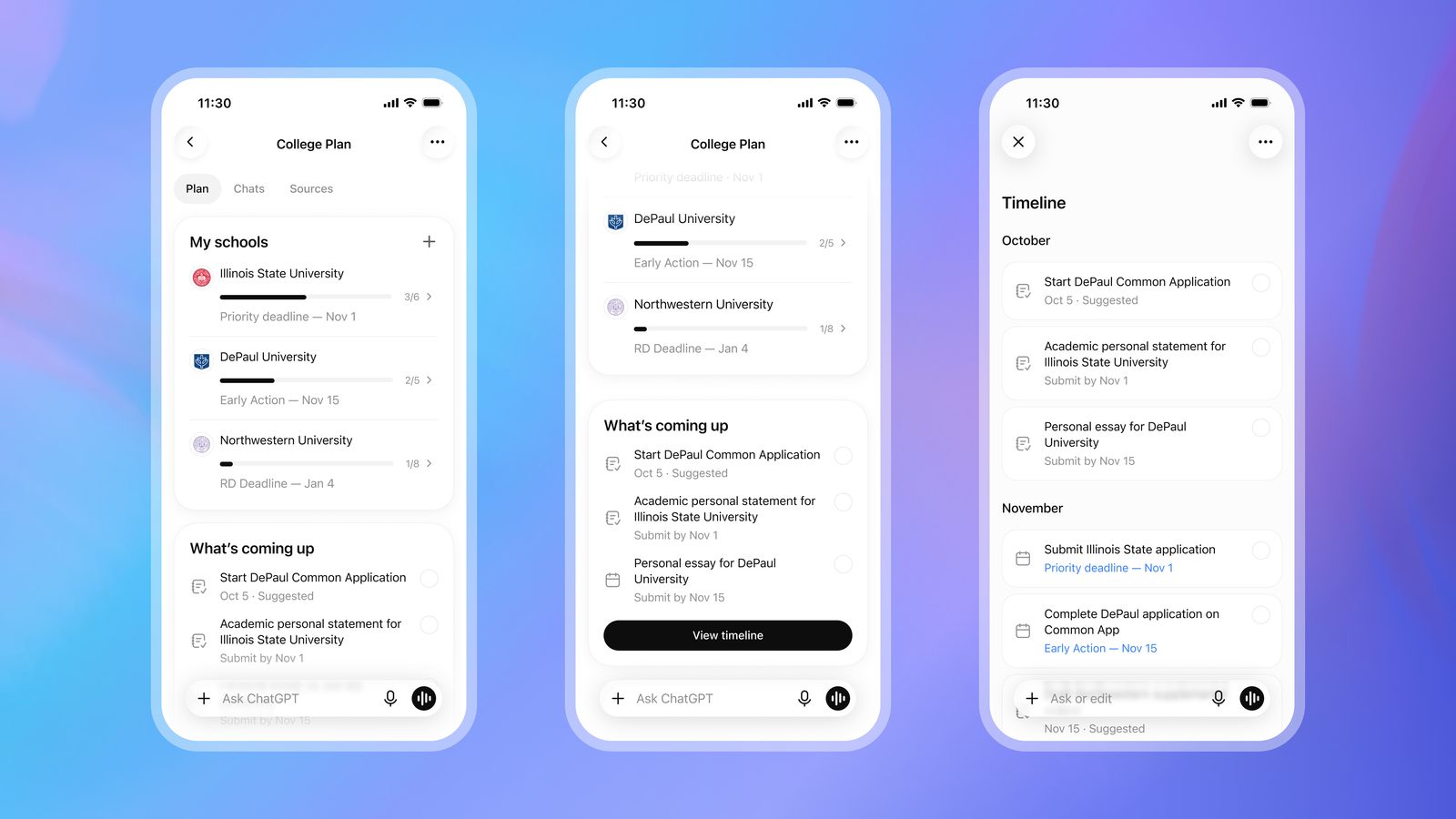
One of the standout features of ChatGPT for Teens is the College Planner, designed to help high school students navigate the college application process. This tool consolidates application requirements, deadlines, tasks, and financial-aid steps into a single plan. Key functionalities include:
- Application Tracking: Students can update their progress and see what’s left to do.
- Financial Aid Assistance: Help understanding financial aid requirements and tracking deadlines.
The initial rollout focuses on U.S. high school students in grades 10–12 planning for four-year colleges, with plans to expand to other educational paths and countries.
Encouraging Responsible Usage
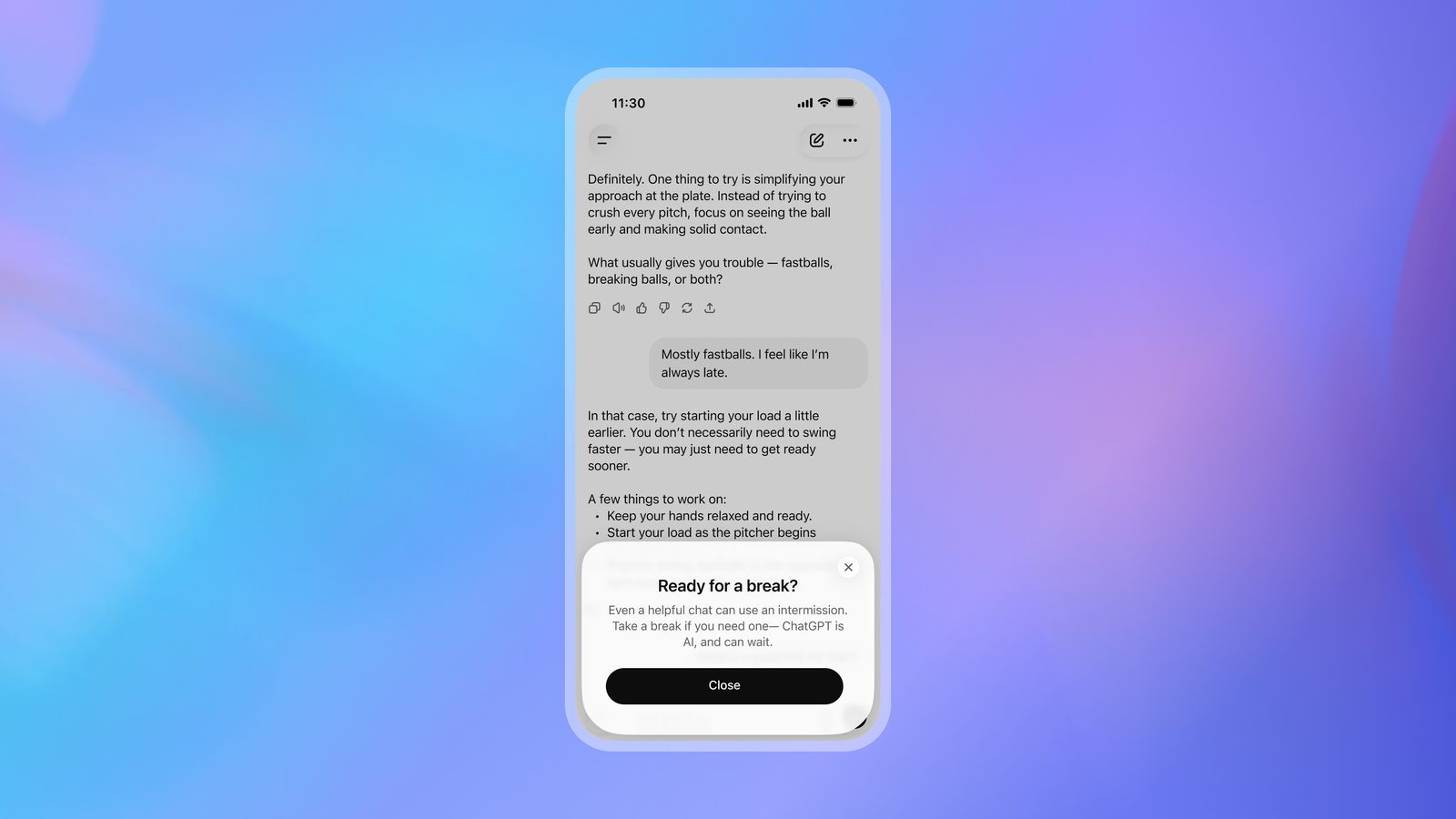
ChatGPT for Teens includes built-in reminders to take breaks, which have proven effective. In almost half of the conversations where a break reminder was shown, teens took a break or ended their conversation within five minutes. This feature underscores the importance of designing AI tools that promote healthy usage habits.
Supporting Educational Nonprofits
OpenAI is also supporting College Advising Corps, a nonprofit that helps students navigate the path to higher education. This partnership includes funding for an AI fellowship program, where advisers will explore practical ways to use AI in college advising. This initiative highlights the potential for AI to complement human guidance in educational settings.
Engaging Teens in AI Development
To ensure that ChatGPT for Teens evolves in ways that meet the needs of its users, OpenAI is collaborating with Boston Children’s Hospital’s Digital Wellness Lab. This partnership includes a Student Advisory Council where teens will test AI tools and provide feedback. This feedback will directly influence product decisions, ensuring that teens have a voice in the development of the tools they use.
Study Aids: Flashcards and Quizzes
ChatGPT for Teens also introduces new study aids to make learning more interactive:
- Flashcards: Students can upload notes and turn them into flashcards for review.
- Quizzes: Notes can be converted into interactive quizzes, with improvements in recognizing when a quiz is needed.
These tools are designed to save time and make studying more efficient, addressing a common pain point for students.
What This Means for Beginners Building AI
For beginners building AI, ChatGPT for Teens offers several key lessons:
- Audience-Specific Design: Tailoring AI tools to the needs of a specific audience can drive adoption and effectiveness.
- Responsible AI Usage: Incorporating features that promote healthy usage habits is crucial, especially for younger users.
- Complementary AI: AI can enhance human efforts, as seen in the support for college advising and study aids.
By studying these features and their impact, beginners can gain valuable insights into designing AI tools that are both useful and responsible.
Want to try all of this hands-on? Start with the free Claude Code from Zero course.
Source
Based on OpenAI’s announcement, “Helping teens learn, plan, and shape the future of AI”. Written for people learning to build with these tools.